Can Tap Water Shorten the Life of Cut Flowers?
@bloomjournal40
November 26, 2026 · 3 min read
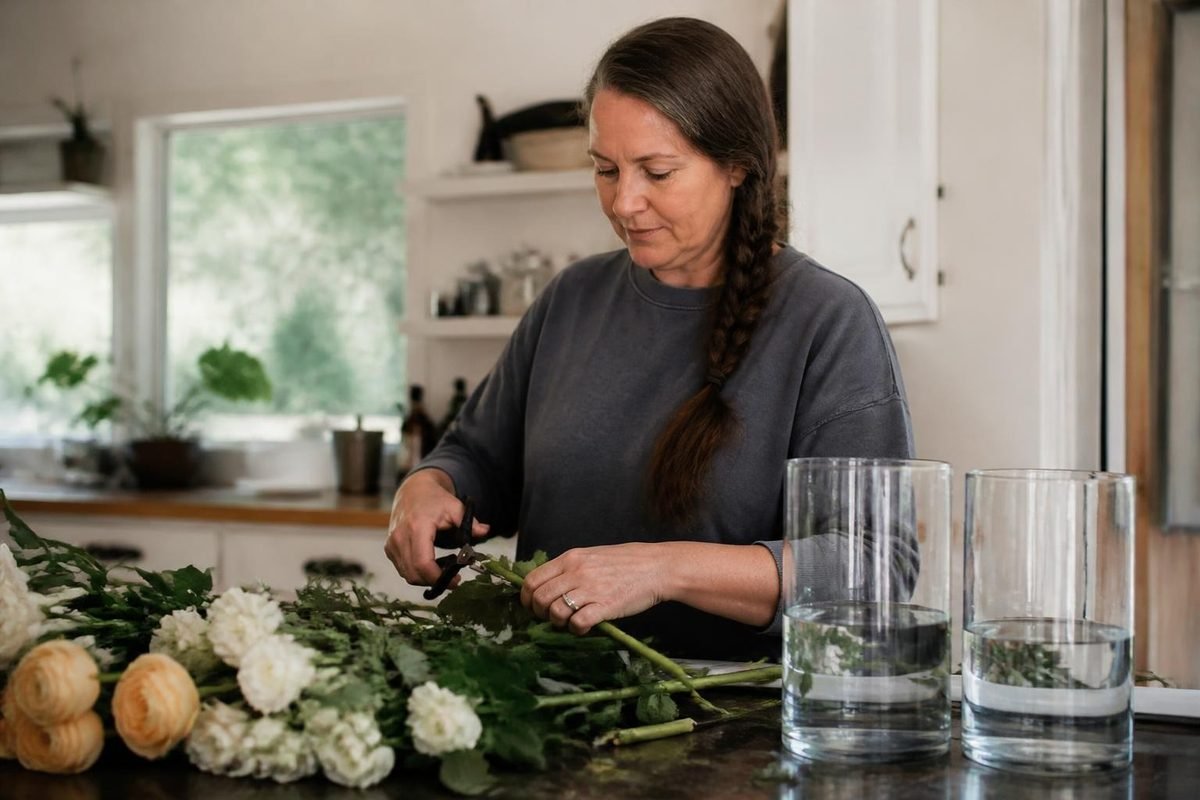
Tap water can shorten the life of cut flowers in some cases, particularly if it contains high levels of salts or other substances that the flowers do not tolerate well. For most bouquets, though, clean tap water is a practical choice, and a clean vase and regular water changes matter too.
When tap water may be a problem
Water varies from place to place. Some tap water contains more dissolved minerals than others, and water from a household softener may contain added sodium. High salt levels can make it harder for stems to take up water, leaving flowers thirsty even while they sit in a full vase.
Tap water may also contain chlorine or chloramine to make it safe to drink. The amount and effect on cut flowers can vary, so there is no need to assume that a little chlorine will ruin every bouquet.
If flowers regularly wilt early despite good care, water quality is one possibility to consider. It is not the only one: flowers may already be old, damaged, or sensitive to heat.
Give the stems a clean start
Wash the vase with soap and water before adding your flowers. Residue from an earlier arrangement can give bacteria a head start, which is not the kind of company your fresh stems need.
Fill the vase with fresh water and remove any leaves that would sit below the waterline. Leaves left underwater can decay and make the water dirty. Trim a little from the bottom of each stem with clean, sharp scissors or shears before placing it in the vase.
- Change the water every couple of days, or sooner if it looks cloudy.
- Rinse the vase and trim the stems again when you change the water.
- Keep flowers away from direct sun, heat sources, and ripening fruit.
- Use flower food according to the packet directions, if it came with your bouquet.
Should you try different water?
If your home has a water softener, try water from an unsoftened tap, if one is available. You could also try distilled water with flower food mixed according to the directions. Flower food supplies ingredients that plain water does not, so do not add extra powder on the theory that more must be better.
For a useful comparison, place similar flowers from the same bunch in two equally clean vases, using tap water in one and an alternative in the other. Keep both vases in the same spot and care for them alike. One experiment will not settle the science, but it may help you spot a difference at home.
Questions about water for cut flowers
Is cold or warm water better?
Room temperature water is a sensible starting point for most mixed bouquets. Follow any specific care instructions that come with your flowers.
Should I let tap water sit overnight?
It is usually unnecessary. Letting water stand can reduce some chlorine, but it does not reliably remove chloramine or dissolved salts.
Can I use filtered water?
Yes, if you prefer. Filters differ in what they remove, so check the filter information rather than assuming it removes every mineral or treatment chemical.
A good companion read: gift delivery abroad guide